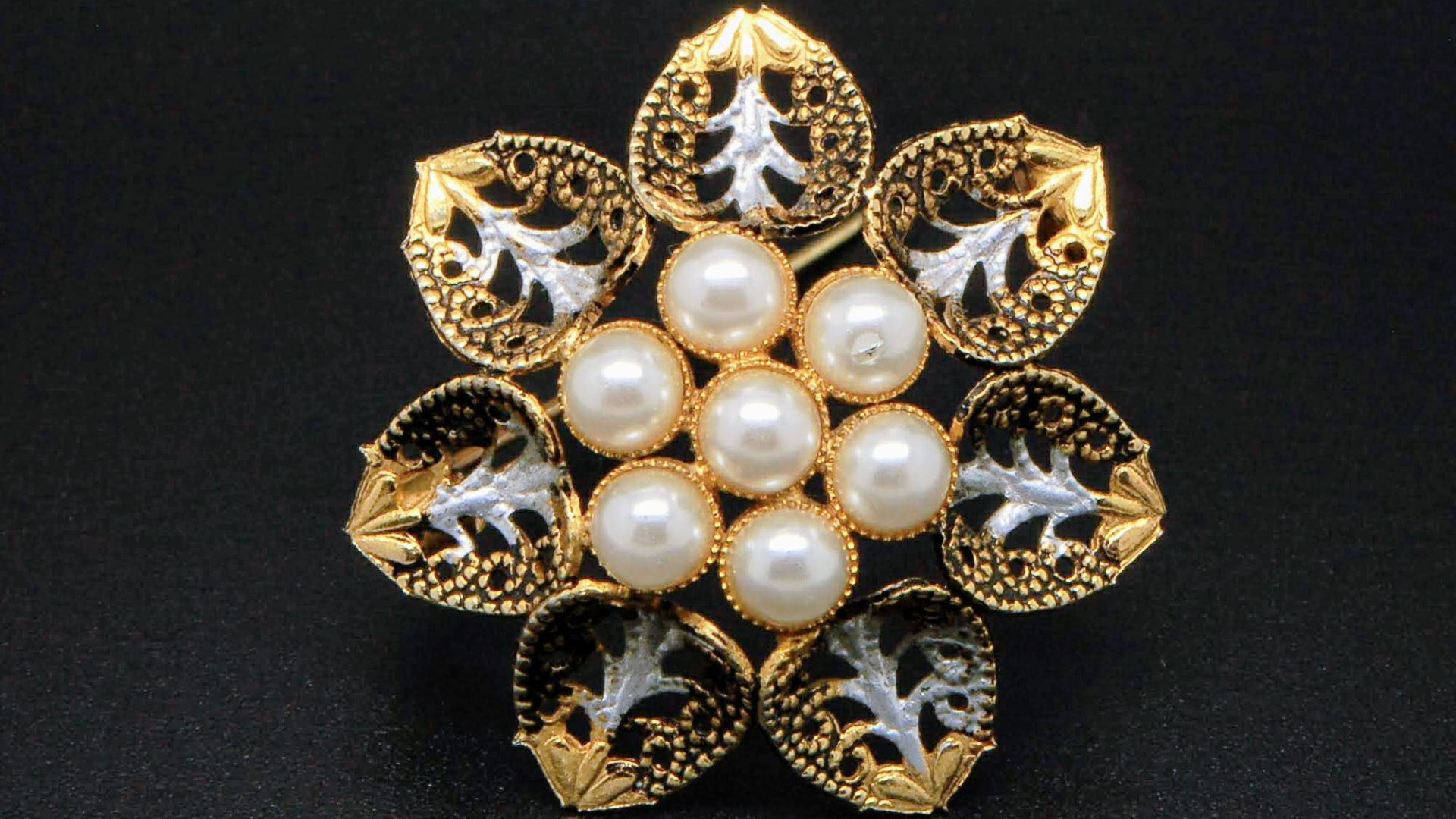
Ancient Jewelry Making Techniques That Stand the Test of Time
The art of jewelry making spans millennia, with many ancient techniques still revered and practiced by modern artisans. From the bustling workshops of ancient Mesopotamia to today’s contemporary studios, these Jewelry Making Techniques showcase human ingenuity and artistic excellence.
Filigree: Delicate Threads of History
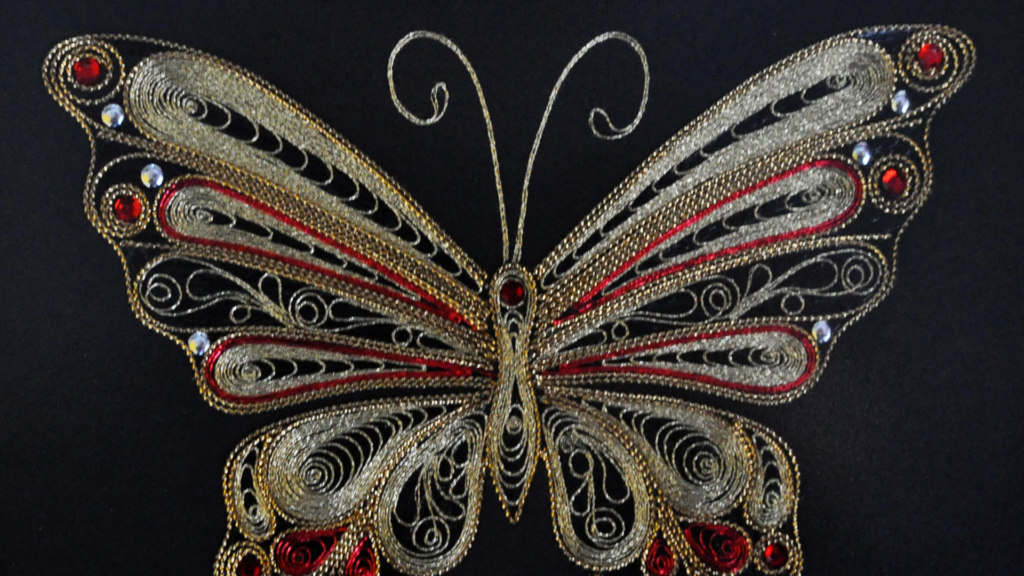
Filigree work, developed over 5000 years ago in ancient Mesopotamia, remains one of jewelry’s most intricate techniques. This method involves twisting and soldering fine metal wires to create delicate, lace-like patterns. Modern jewelers still employ traditional filigree tools, including fine-tipped pliers and micro-torches, to craft pieces that echo those worn by ancient nobility.
Granulation: The Mystery of Ancient Innovation

The Etruscans perfected granulation in 8th century BCE, decorating surfaces with tiny metal spheres. While their exact methods were lost for centuries, modern artists have revived this technique, using surface tension and precise heat control to attach microscopic gold or silver granules to create textured designs.
Lost-Wax Casting: From Ancient Egypt to Digital Age

Lost-wax casting, first used in ancient Egypt around 3700 BCE, remains fundamental to modern jewelry production. While the basic principle persists – creating a wax model, forming a mold, and casting molten metal – today’s artisans enhance this technique with 3D printing technology for wax model creation.
Wire Drawing: The Backbone of Jewelry Making

Ancient Egyptian jewelers developed wire drawing by pulling metal through progressively smaller holes in stone plates. Modern jewelers still use this fundamental technique, though with precisely calibrated steel draw plates and mechanical assists for consistency and efficiency.
Traditional Stone Setting Techniques

The ancient art of stone setting, particularly bezel setting developed by the Sumerians, continues virtually unchanged. Modern jewelers still carefully form metal borders around gemstones, though now with the advantage of precise measurement tools and optimized metals.
In our era of mass production and technological advancement, these ancient techniques endure because they achieve results that machines simply cannot replicate. They remind us that in jewelry making, the human touch remains irreplaceable, bridging thousands of years of artistic tradition with contemporary innovation.
More form Crystal and Yarn: