
What is the August Birthstone?
So as we enter the month of August, we turn to our calendars to see who we have to buy for in the month ahead. And we see the dreaded person, the one female family member that we never know what to buy! The good news is simple – go with the August birthstone which in traditional terms is the green loveliness that is Peridot.
Peridot – the other green gemstone
Peridot is often seen as the other green gem, the softer, pastel cousin to the serious (and rather expensive) emerald. It has a beautiful green shade, the colour of apples and grass, a light-hearted hue that works well with other pastel shades as well as other serious colours like black and brown. You even see peridot crystals inspired by the gemstone which work well with real green peridot in birthstone jewelry.
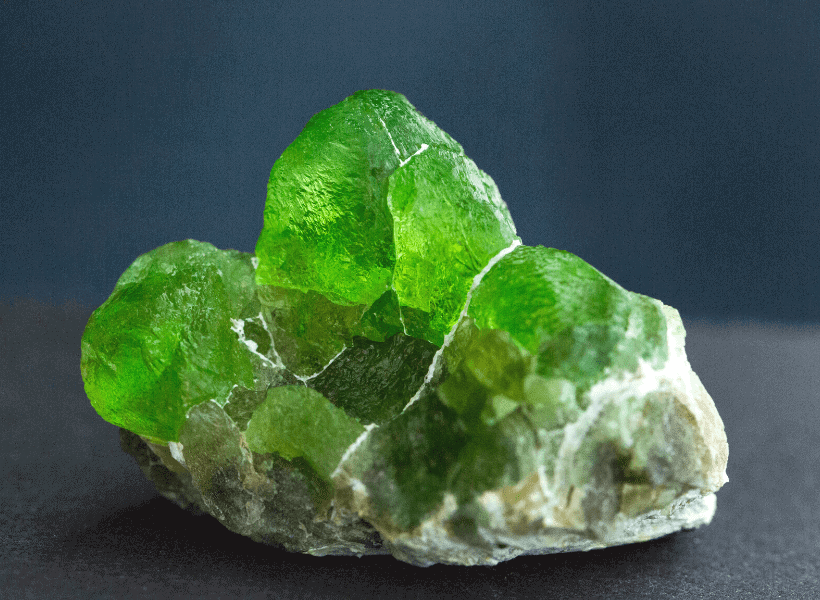
Peridot as a gemstone is actually the gem quality of the mineral olivine. This itself is a silicate mineral that has a lot of magnesium in it. It is unusual as one of the few stones that only comes in one shade rather than a range of colors but the tint and intensity of the stone can vary those green colors, normally due to how much iron is within the gem. It has a hardness of 6.5 to 7 on the Mohs scale, making it softer than either emerald or amethyst and the stone can also be sensitive to temperature changes.
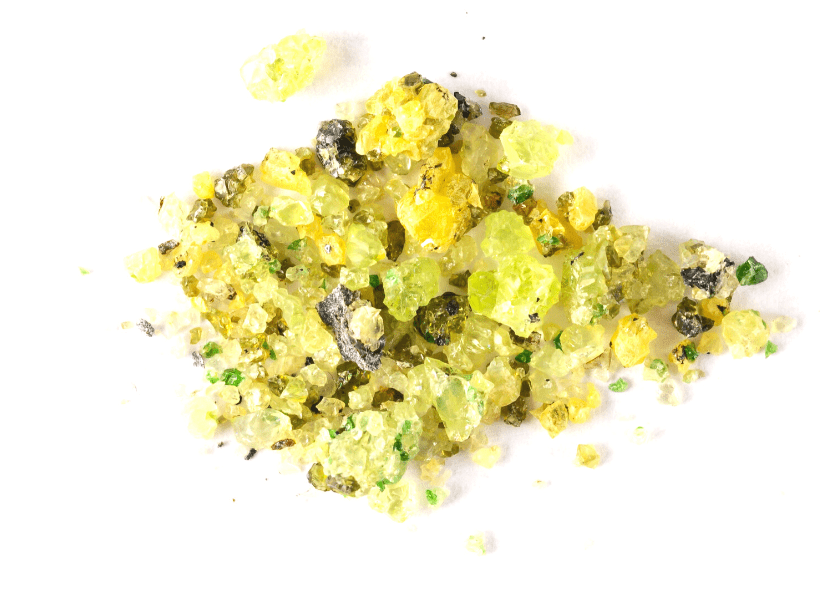
The gem is found around the world with major mining spots in Arkansas, Arizona, Hawaii, Nevada, New Mexico in the US as well as in Australia, Brazil, China, Norway, Sri Lanka, Tanzania, Egypt, Kenya, Mexico Saudi Arabia, Pakistan and Myanmar.
Wearing Peridot Jewelry
Peridot generally has a transparent look with a bit of an oily lustre to it. Colours range from yellow green through to an almost emerald shade though these deeper shades aren’t often seen in gemstone quality. Larger stones tend to have a lot of flaws in them.
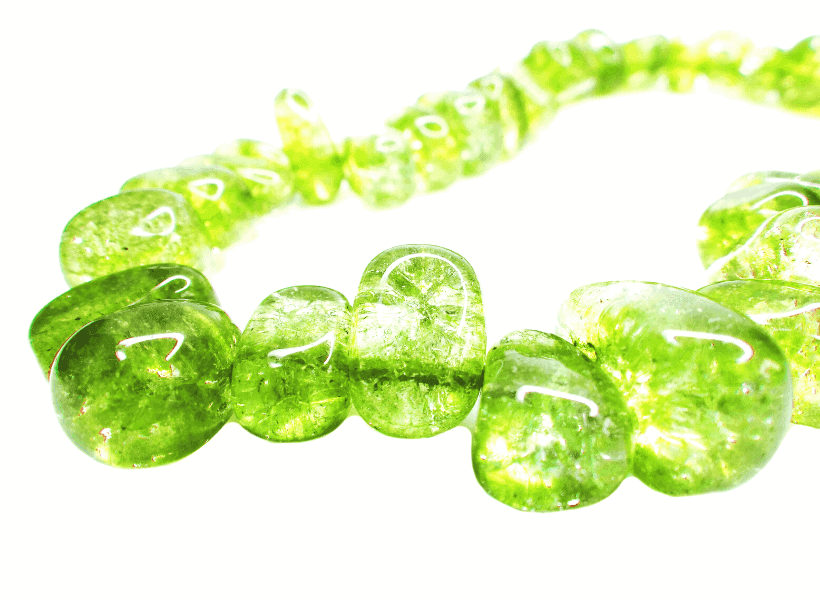
The stones are common in costume jewellery because it has a bright, cheerful colour and is less expensive than green gems such as emerald. It is common in chips, little random shaped pieces of the gemstone, as well as in round and other shaped beads that can make a great piece of jewellery to match with different outfits.
History of the August birthstone
Peridot has been known to man for a long, long time. As early as 1500 BC, the Egyptians were mining the stone in the Red Sea, on an island known as Topazo Island, now Zabargad. The stone was cut into talismans and Pharaohs often kept them in their collection. In fact, they were so well thought of by the king that he employed watchers to guard the whole island and kill anyone who tries to enter.
Peridot remains the national gemstone of Egypt and the country had the monopoly on mining the stone right through until the 19th century. Along the way, the island itself was lost but was rediscovered back in 1905, 35 miles off the coast. Millions of dollars’ worth of stones has been mined there in recent times though there are few stones mined there in recent times.
In more recent times, Myanmar (or Burma) was one of the main producers of the stone, primarily in the Mogok district.
Famous gemstones
The largest cut Peridot is currently found in the Smithsonian Museum in Washington DC and is 310 carats, weighing some 62 grams. Another notable stone is found in the Field Museum in Chicago.
The stone in the shrine of the Three Holy Kings in Cologne was believed to be an emerald until modern tests showed it is actually a peridot. Similarly, people believe that many of the emeralds worn by Cleopatra were also likely to have been peridots due to their colour and the frequency of the stones being found there.
The Hebrews valued Peridot because the stone was said to be the second one in Aaron’s breastplate in the Old Testament.
Beliefs about peridot
Pliny the Elder, the Roman historian and ancient naturalist, said that people of the time believed that Peridot could make talismans that protected against bad dreams, night fears and to possess strong magic, especially when it is set in gold so things like peridot rings were popular. He also said the stone would be dull during the day but glowed like a coal at night.
Peridot is also associated with aiding friendship and also helps to clear the mind of envious thoughts. It protected against the evil eye and evil spirits as well as bringing happiness, good cheer and helping with eye strength.
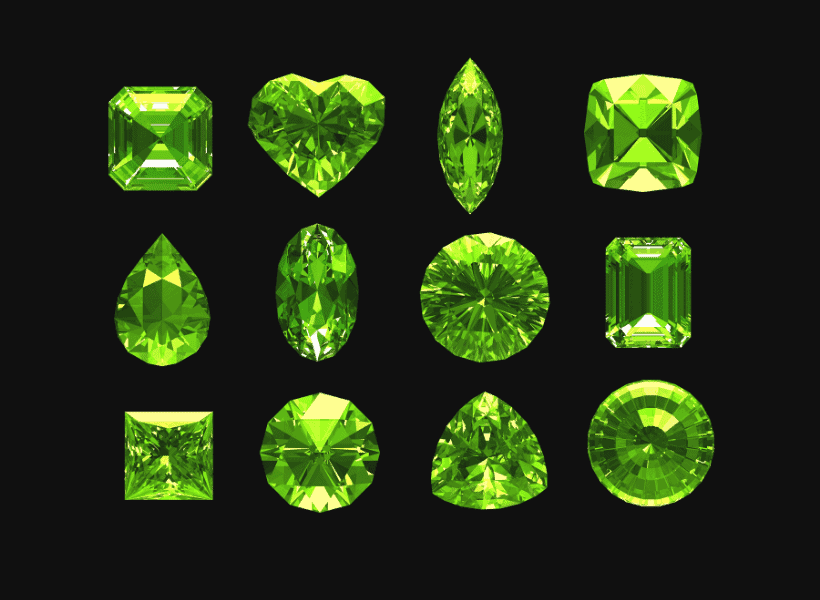
The stone was even made into a powder, added to water and drank in the Renaissance period. It was believed that it would assist the drinker with the power of prophecy. At the same time, it was also said that carving the stone into a vulture shape or into a totem would allow control over demonic spirits and the wind.
In terms of the body, the stone is said to be associated with the liver and digestive problems due to its colour. It can help detoxify the stomach, heal ulcers, constipation and ease the bowel. Of course, how true all of this is beyond our knowledge so please don’t bank on these results!


