
4 October Birthstones That Aren’t Opal
So you are an October birthday and this means your birthstone is opal. But let’s face it, opal isn’t for everyone. Personally, I can appreciate it but it wouldn’t be on my list of gemstones for my jewellery box because I am a huge colour fan.
So what if you are like me and want something with a little more colour going for it? Well here are some October birthstones that aren’t opal from around the world to consider.
Tourmaline
The traditional alternative birthstone for October birthdays is the tourmaline and this is definitely one if you, like me, enjoy colour. This is because tourmaline comes in lots of different colours.
In fact, tourmaline can be anything from black to violet, blue, orange, red, green, pink or colourless as well as a mixture of more than one shade. There are so many colours that there are even different names for the different shades, also based around where they are found. Famous variations include:
- Schorl – brownish black to black
- Dravite – comes from Carinthia, comes in brownish and yellow colours as well as black
- Elbaite – from Elba, Italy
- Rubellite – named for its shade, a pinkish red similar to ruby
- Indicolite – Brazilian stone light blue through to bluish green
- Verdelite – Brazilian emerald green variety
- Achoriate – colourless
- Watermelon – named because it is pink and green like the colours of a watermelon
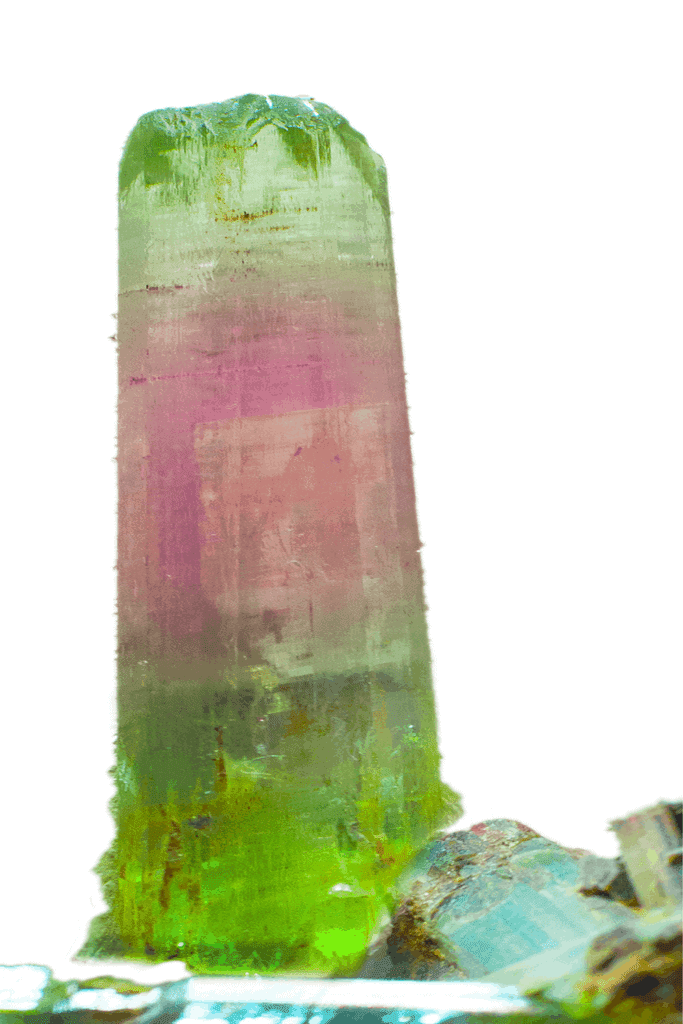
While Brazil and locations in Africa are the main places for tourmaline, it is also mined in the USA, Afghanistan, Pakistan and Sri Lanka. The single biggest stone was found in Brazil, measuring 191.87 carats and was a bluish-green colour.
One weird fact about tourmaline is that if it is warmed or rubbed, it can attract little bits of lint or paper. This is because it takes static electricity and the stone was used by Benjamin Franklin in his early studies of electricity. For the same reason, museums always display stones away from lights.
Beryl & Aquamarine
Both of these stones are associated with October birthdays and are different types of the same stone – the same family also contains emerald. Beryl was the birthstone for October in the Italian and Russian calendars while aquamarine is associated with the month by the ancient Romans, the Hebrews and Arabic calendars.
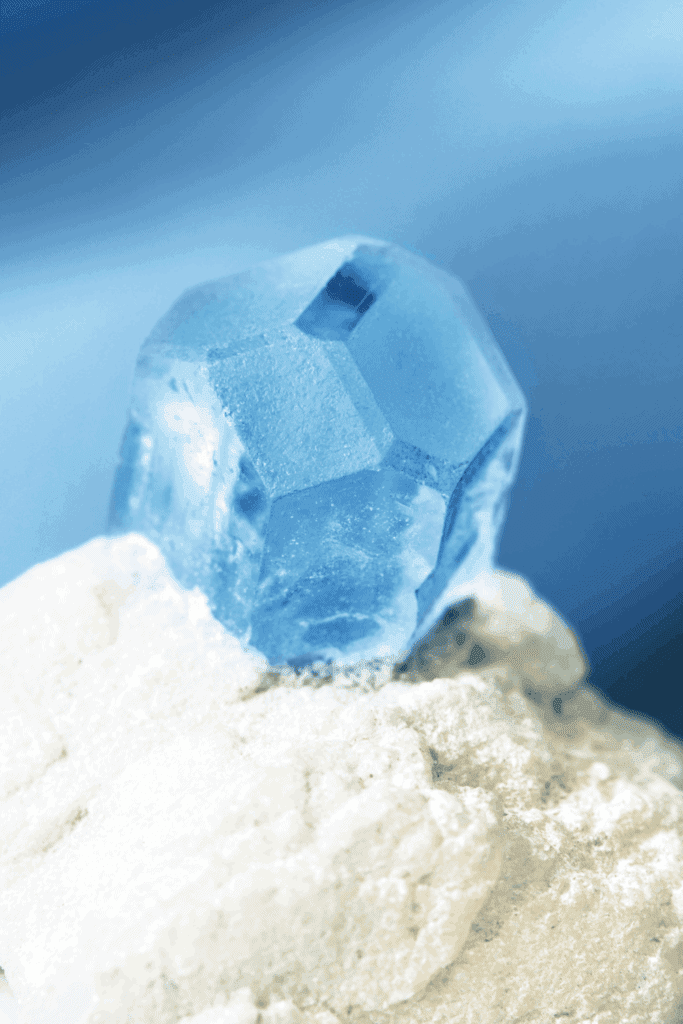
Pure beryl is colourless while aquamarine has given its name to a pale blue shade with a touch of green to it, often likened to the colour of the sea. Beryl also comes in green, blue, yellow, pink and other colours depending on other minerals within the stone.
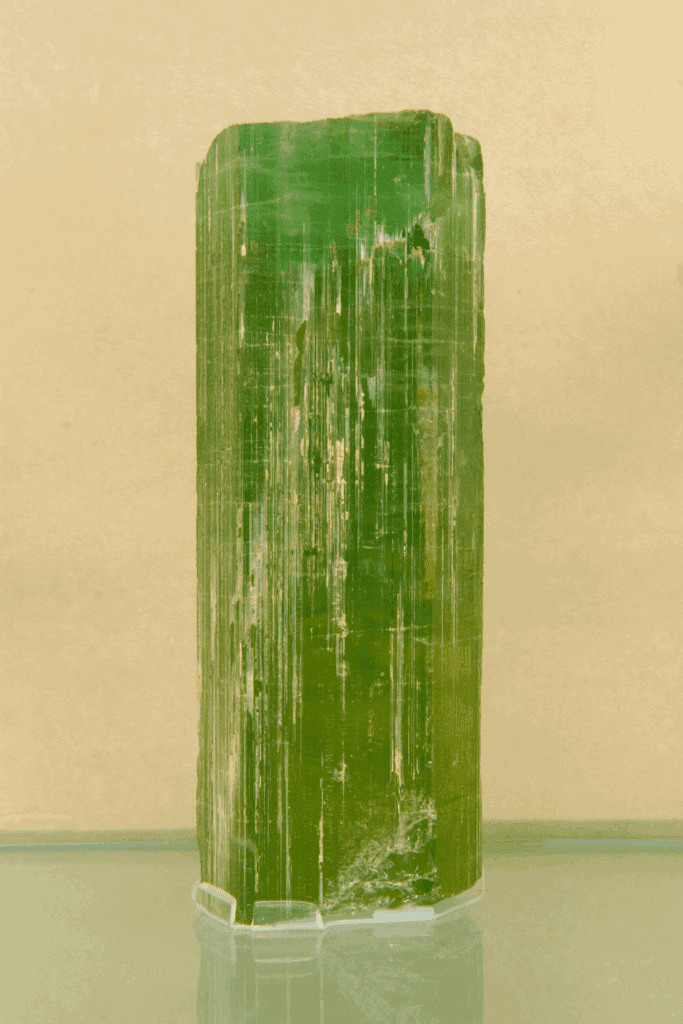
Beryl is mined primarily in the Ural Mountains in Russia and in Colombia as well as across the US, Europe, Africa and in Pakistan. The largest known beryl was 18 metres in length and 3.5 metres in diameter – a little large for a necklace!
Aquamarine is most often found in Sri Lanka, Brazil and in Madagascar, where it is called maxixe. It is also found in the US, Colombia and in locations across Africa. The single biggest stone was found in Brazil and weighed over 110kg while the largest cut aquamarine is the Dom Pedro aquamarine, now in the Smithsonian.
Jasper
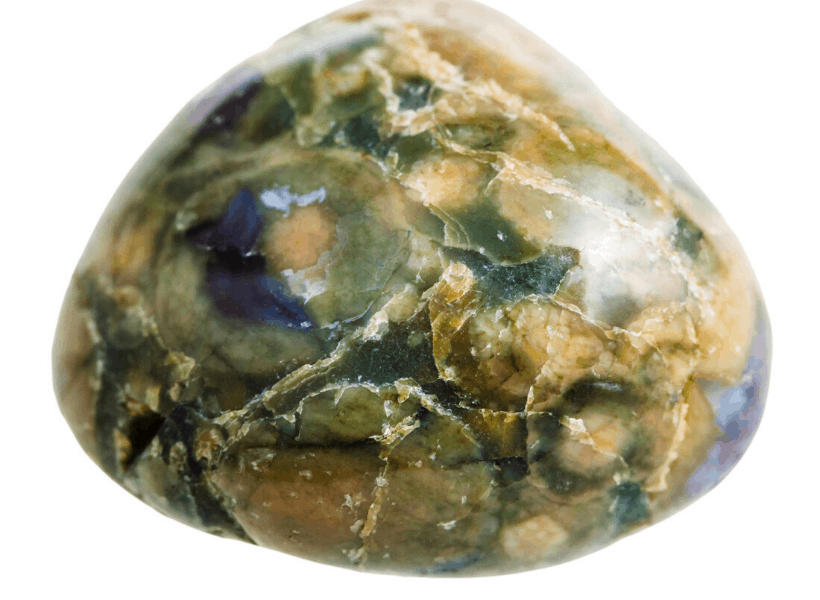
According to the Tibetan calendar, the birthstone for October is the jasper. Jasper is a stone made up from other stones including quartz and comes in colours including red, yellow, brown and green, depending on other minerals involved. Green jasper was used as far back as the 4th millennium BC to make bow drills and was used in cultures including ancient Persia, Assyria, Greece and Rome. The people of Minoan Crete used it to make seals.
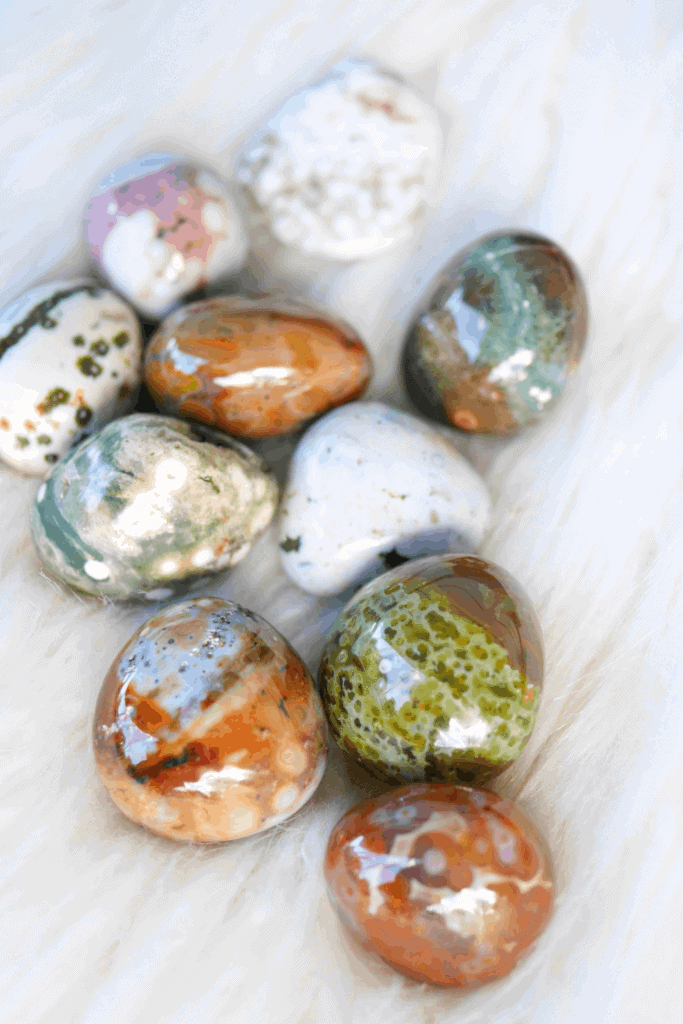
Jasper is a popular stone for costume jewellery because it is less expensive than other stones and because it has a naturally varied look that makes for great beads. There are lots of types of jasper including picture jasper, red jasper and Dalmatian jasper, with black spots on a beige background. Some of the types are named depending on where they come from – so red African jasper is usually mined in Egypt.
Coral
Coral isn’t a gemstone at all but actually a species of marine coral known as precious or red coral. The intensely red or pink skeleton of the coral is used to make beads and other jewellery items and is associated with the month of October in the Hindu calendar. The coral is found growing in the Mediterranean Sea as well as off the southern coast of Portugal at around 350-1500 metres below sea level.
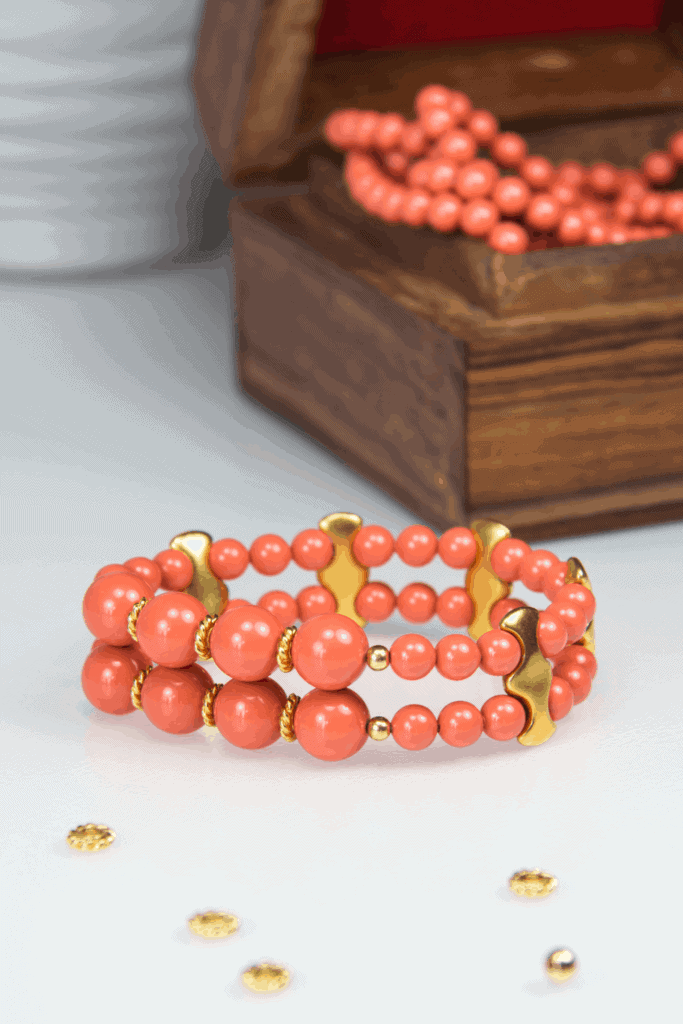
Coral has been used in jewellery since the 1st millennium when trade between the Mediterranean and India made it popular. Pliny the Elder spoke about its popularity with the Gauls using it to decorate their weapons and the Indians being very keen on it for its novelty value.
Coral is associated with the planet Mars or Graha-Mangala by the Hindus and a ring made from coral should be worn on the ring finger. The Romans believe that coral protected children from harm and could cure snake and scorpion bites while the Greek god Poseidon was said to live in a palace made from coral and gemstones.
October birthstones
All of these gemstones will work as birthstone options if you have an October birthday but don’t like opal. Plus they make great presents for someone born in that month!


