
What are the December Birthstones?
Whether there was a bit much festive cheer around when people decided what were the December birthstones or what, but it seems no clear decision was ever made. There are at least nine different stones associated with the month in different calendars, including the newest addition – the beautiful purple stone called Tanzanite.
So rather than focusing on any one, I thought I would do a roundup of all of them for those December birthdays.
Bloodstone
Bloodstone is one of the traditional December birthstones and is a kind of jasper, also known as heliotrope. It has an earthy green shade that is dotted with bright red and was also known as the Sun Stone. In Ancient Greek, it was believed to help cure blood infections and was dipped in cold water then the water drank to improve circulation. It was also ground up and mixed with honey to deal with haemorrhage as well as to cure bites from poisonous snakes.
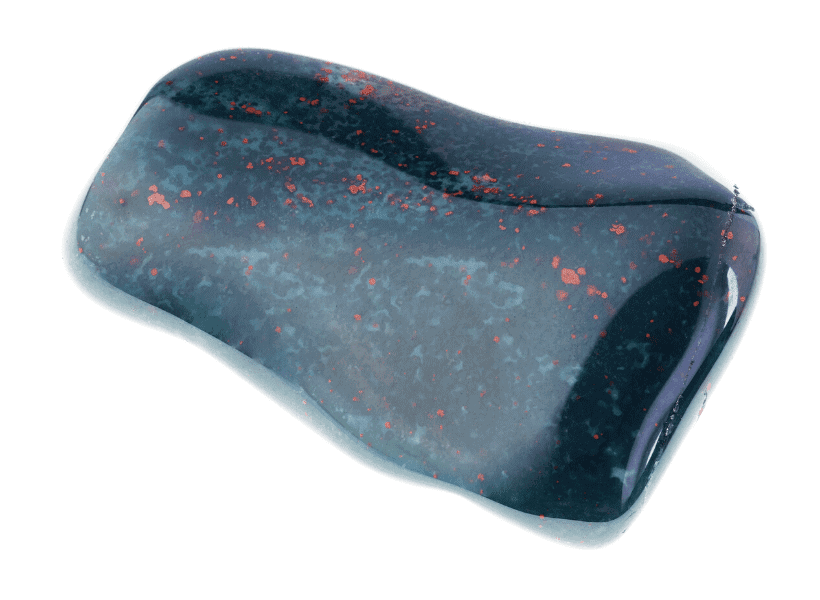
The stone comes from India primarily as well as in Armenia, Azerbaijan, Brazil, Bulgaria, China and the US and Australia. A small deposit of the stone is found on the Isle of Rum in Scotland. As well as an alternative birthstone for December, it is also associated with the month of March.
Ruby
Ruby is normally listed as the birthstone for July but is also added as one of the many traditional stones for December. Ruby is one of the precious gemstones alongside sapphire, emerald and diamond and has a pinkish-red shade. It is naturally a little misty while certain locations have a different shade that gives them a special name, such as the Pigeon Blood Ruby from the Mogok Valley in Myanmar.
Zircon
Zircon is a gemstone that gets confused with cubic zirconia – but it is a real gemstone where the latter is a created, synthetic stone. Zircon comes in a wide range of colours from red, orange and yellow through to greens and blues as well as browns and clear.
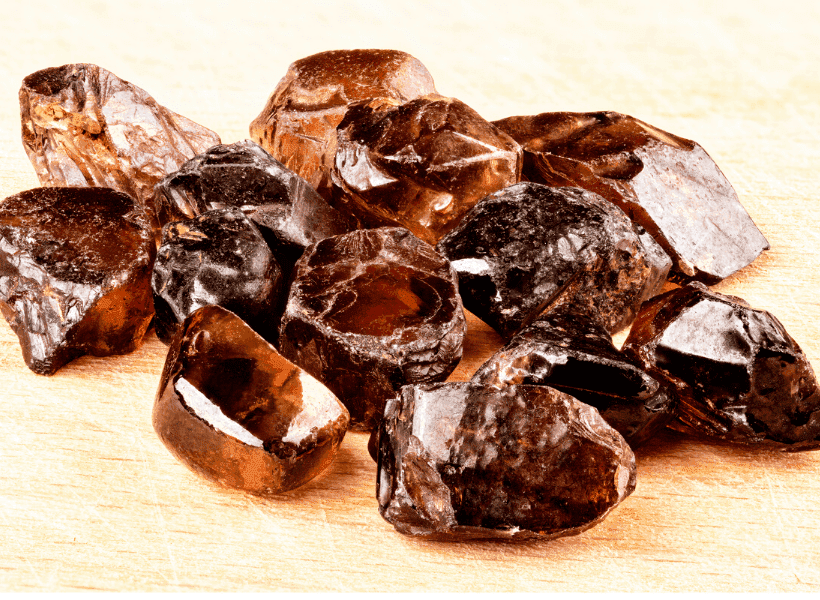
Earth toned brown-reds are the most commonly found type while the blue version is the stone most associated with the December birthstone. Colourless zircon is called Matura Diamond and has an inner fire that makes it as sparkling as the real thing.
37% of the world’s supply comes from Australia while other sources of the stone include Thailand, Sri Lanka, Cambodia, Tanzania, Canada and the US. As well as its December birthstones association, it was also believed to ward off evil and promote prosperity as well as helping the wearer to sleep.
Lapis lazuli
Lapis lazuli is another of the traditional December birthstones and is a vibrant blue shade that has natural inclusions and variations. The stone is a relatively soft one and should be handled with care as it can chip and break. This is why it is most popular in cabochons and in beads. It can also be carved into shapes and cameos.

The main place for lapis mining is Afghanistan while other locations include Russia and Chile. The stone was popular in Ancient Egypt.
Turquoise
Turquoise (one of my favourite gemstones) comes in a range of colours from blue shades through to green ones and was originally known from Ancient Persia. It became known as ‘Turkish stone’ when it came to Europe, later become turquoise. The Sinai in Egypt was another ancient source of the stone and the Ancient Egyptians used it in their jewellery.
Today, the biggest supplier of turquoise is the US with Nevada, California, New Mexico and Colorado being the main mining locations. But head of the list in terms of quality and value is Arizona and the stone is also very popular in Native American jewellery and styles.
The stone can be affected by direct sunlight as well as materials such as perfume, makeup and oils from the skin so should be treated carefully. It isn’t a hard stone, only 6 on the Mohs scale so has been long used in carvings and cameos.
Turquoise is one of the December birthstones in the modern British and US calendar as well as in the Polish and Russian calendars.
Chrysoprase
Chrysoprase is one of the December birthstone in the Russian calendar and is a type of chalcedony. It comes in a mint or apple green shade that is opalescent and is one of the rarest forms of the stone. It can be confused for jade but is harder than that stone and more translucent.
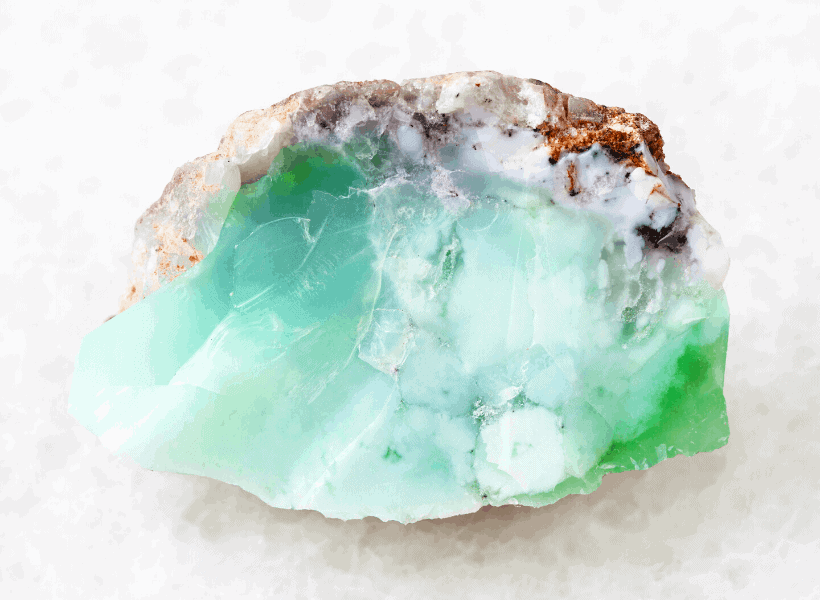
The stone is found around the world including in Australia, Brazil, Poland, Russia, Tanzania, Madagascar, and the US states of Arizona, Oregon and California. Around 85% of the world’s supply today comes from Australia, with the highest quality stones coming from Central Queensland.
Onyx
Onyx is often said to be a black gemstone but is actually banded of black and white, with plain varieties known as black onyx. The gemstone can also come in other colours such as brown and white, known as sard onyx and carnelian, which is red and white. The stone has a dull lustre and is opaque while the bands of colour make them popular for cameos and other carvings.

The stone is found around the world including in Argentina, Australia, Brazil, India, Madagascar, Mexico, Myanmar, Pakistan and Uruguay as well as part of the US. It is associated with December in the Tibetan calendar.
Tanzanite
Tanzanite is a relatively new gemstone that was first discovered in 1967 and comes from just a small area of Tanzania in Africa. It is a purple-blue colour that is sometimes used in place of sapphire but is attractive enough in its own right.
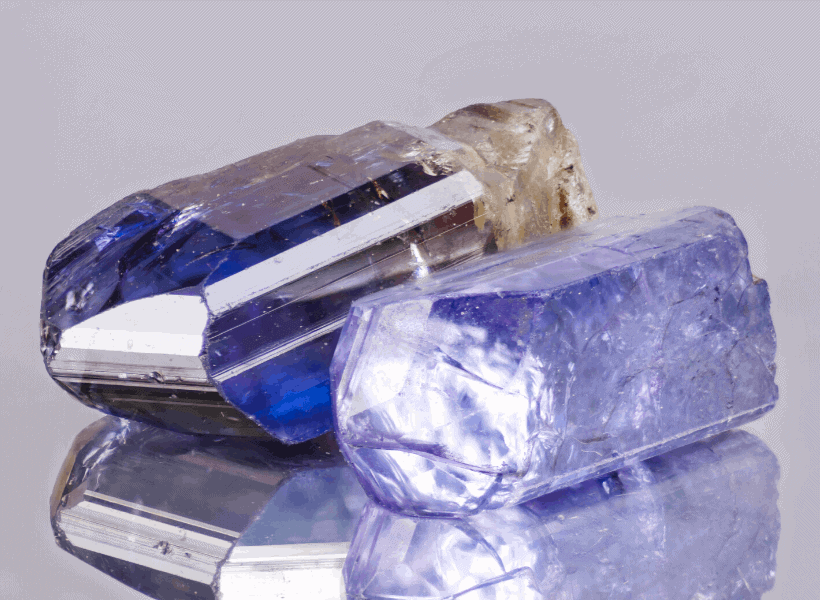
It is usually cut to bring out the colour as otherwise can appear a dull brown shade – heat treatment also helps bring out the natural colour. The biggest stone weighed 16,839 carats and there is a faceted 122 carat tanzanite in the Smithsonian Institute’s collection.
Tanzanite has become associated as a birthstone of December as well as with the 24th wedding anniversary.


